
Medical billing compliance services ensure healthcare providers adhere to regulations and guidelines when submitting claims and managing patient billing. This process involves understanding and implementing various laws, standards, and best practices to avoid financial penalties, legal ramifications, and reputational damage. These services provide numerous benefits, including preventing patient overcharging, streamlining patient experiences, and preventing fraud within the healthcare system. Medical billing compliance programs are used to ensure fair provider payments, protect patient trust, and preserve healthcare integrity. In today’s complex environment, medical billing compliance and healthcare billing compliance have become essential components of regulatory compliance in healthcare, ensuring that providers meet evolving payer and legal requirements.
The main uses of medical billing compliance services are to maintain a Medical Billing Compliance Program, perform periodic Billing and Coding Audits, and regularly review Healthcare Payer Contracts. Key components include HIPAA compliance, adherence to the False Claims Act (FCA), and following coding standards like ICD-10, CPT, and HCPCS. These activities form the foundation of a strong medical billing compliance solution, helping organizations align with healthcare compliance laws and regulations and maintain consistent billing standards and billing rules.
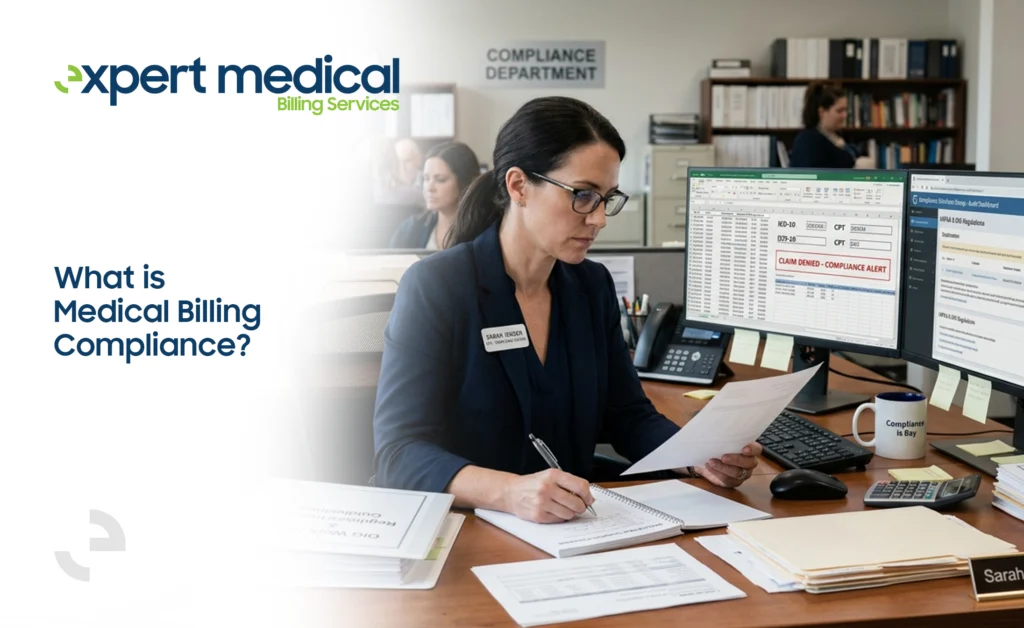
What is Medical Billing Compliance?
Medical Billing Compliance refers to adhering to the laws, regulations, and ethical standards governing medical billing practices. It encompasses the policies and procedures implemented to prevent fraud, waste, and abuse in the healthcare billing system. It aims to ensure that claims are submitted accurately, ethically, and in accordance with all applicable rules. A strong compliance medical framework also integrates healthcare corporate compliance strategies to ensure organization-wide accountability and transparency.
Importance of Compliance
Compliance in medical billing is crucial for several reasons:
Prevent Patient Overcharging
Accurate billing practices prevent patients from being overcharged for medical services. Compliance ensures that patients are billed correctly according to their insurance coverage and the services they received, reducing medical billing errors patient rights concerns and improving trust.
Streamline the patient experience
Clear and compliant billing processes contribute to a better patient experience. When billing is accurate and transparent, it reduces confusion and frustration for patients and supports a more compliant health environment.
Prevent fraud, waste, and abuse in the system
Compliance helps prevent fraudulent Claims, waste, and abuse within the healthcare system, ensuring resources are used appropriately and ethically while strengthening hospital compliance and hc compliance initiatives.
Ensure Fair Provider Payment
Following proper billing procedures ensures that healthcare providers receive fair and timely payments for the services they render while maintaining healthcare payment compliance.
Avoiding Financial Penalties
Non-compliance can result in significant Financial Penalties, including fines and recoupment of payments.
Financial Risks
Failure to comply with billing regulations can lead to costly fines and penalties, directly impacting the financial stability of a healthcare practice. . Implementing a billing compliance risk assessment tool can help identify vulnerabilities early.
Legal Ramifications
Non-compliance can result in legal actions, including lawsuits and criminal charges, which can severely damage a practice’s reputation and financial standing.
Mitigating Legal Risks
A robust compliance program helps mitigate Legal Risks by ensuring that all billing practices adhere to current laws and regulations, including healthcare compliance laws and regulations.
Shield Against Billing Fraud
Compliance measures act as a shield against Billing Fraud, ensuring that all claims are accurate and properly documented and aligned with claims compliance protocols.
Reputation Concerns
Compliance failures can lead to significant Reputation Damage, affecting patient trust and the practice’s ability to attract new patients.
Protecting Patient Trust
Maintaining compliance demonstrates a commitment to ethical billing practices, which helps in Protecting Patient Trust and fostering positive patient relationships.
Preserve Healthcare Integrity
Compliance helps Preserve Healthcare Integrity by ensuring that billing practices are fair, transparent, and aligned with ethical standards, reinforcing healthcare corporate compliance.
Ensuring Revenue Integrity
Proper compliance measures contribute to Ensuring Revenue Integrity by reducing claim denials and maximizing legitimate reimbursements.
Operational Challenges
Without a solid compliance framework, healthcare practices may face Operational Challenges such as increased claim denials, audits, and investigations, particularly in specialized areas like compliance in home health billing.
Key Laws & Regulations
Several key laws and regulations govern medical billing compliance:
HIPAA Compliance
The Health Insurance Portability and Accountability Act (HIPAA) sets standards for protecting sensitive patient health information. HIPAA Regulations include the Privacy Rule, which protects the privacy of patient information, and the Security Standards, which ensure the security of electronic protected health information (ePHI). Patients’ Right of Access to their Medical Records is also protected under HIPAA. These rules are central to regulatory compliance in healthcare.
The False Claims Act (FCA)
The False Claims Act (FCA) prohibits the submission of false or fraudulent claims to the federal government, including Medicare and Medicaid. Violations of the FCA can result in significant Financial Penalties and impact overall claims compliance..
The Anti-Kickback Statute
The Anti-Kickback Statute prohibits offering, paying, soliciting, or receiving anything of value to induce or reward referrals of federal healthcare program business.
OIG Compliance Program Guidance
The Office of Inspector General (OIG) provides guidance for developing effective compliance programs. The OIG work plan outlines areas of focus for audits and investigations, supporting broader healthcare corporate compliance initiatives.
Coding Standards: ICD-10, CPT, and HCPCS
Accurate Coding using ICD-10 (International Classification of Diseases, 10th Revision), CPT (Current Procedural Terminology), and HCPCS (Healthcare Common Procedure Coding System) codes is essential for proper billing and compliance. Coding and Billing Errors can lead to claim denials and compliance issues, emphasizing the need for strong billing standards and billing rules.
Best Practices for Staying Compliant in Medical Billing
To maintain compliance in medical billing, healthcare providers should implement the following best practices:
Maintain a Medical Billing Compliance Program
Establishing and maintaining a Medical Billing Compliance Program is crucial for ensuring ongoing adherence to regulations and standards and serves as a core medical billing compliance solution.
Implement Regular Billing and Coding Reviews
Regular Billing and Coding Reviews help identify and correct errors before claims are submitted, improving claims compliance.
Perform Periodic Billing and Coding Audits
Periodic Billing and Coding Audits are essential for assessing the effectiveness of compliance measures and identifying areas for improvement. Coding audit precision is key.
Addressing Claim Denials Promptly
Addressing Claim Denials Promptly helps identify and resolve billing errors, reducing the risk of future denials.
Respond Promptly to Claim Denials
It’s important to Respond Promptly to Claim Denials to correct errors and resubmit claims for payment. Denial management optimization is crucial.
Regularly Review Healthcare Payer Contracts
Regular Reviews of Healthcare Payer Contracts ensure that billing practices align with payer requirements and evolving healthcare payment compliance standards.
Conduct Regular Reviews of Healthcare Payer Contracts
Conducting Regular Reviews of Healthcare Payer Contracts helps providers stay informed of changes in payer policies and procedures.
Collaborate with a Healthcare Compliance Firm
Collaborating with a Healthcare Compliance Firm can provide expert guidance and support in navigating the complexities of medical billing compliance and compliance and clinical services.
Partner with a Healthcare Compliance Company
Partnering with a Healthcare Compliance Company offers access to specialized expertise and resources for managing compliance risks.
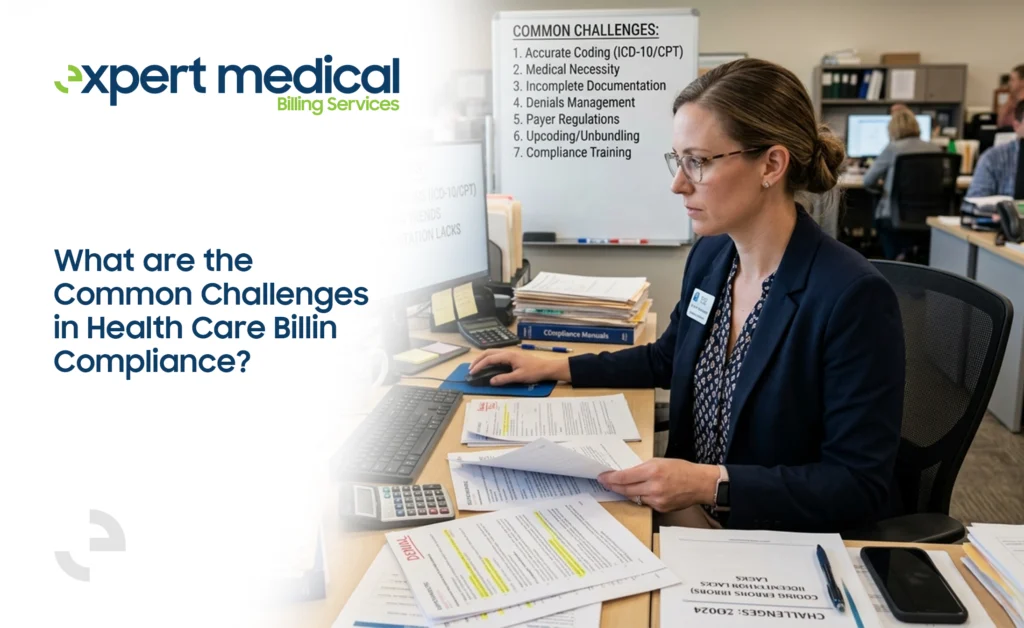
What are the Common Challenges in Health Care Billing Compliance
Healthcare providers face several challenges in maintaining billing compliance:
Keeping Up with Regulatory Changes
Keeping Up with Regulatory Changes is a significant challenge, as laws and regulations are constantly evolving. Regulatory change adaptation is essential.
Staff Training Gaps
Staff Training Gaps can lead to errors and non-compliance. Hospital Training Software can help bridge these gaps.
Technology Integration
Technology Integration can be challenging, particularly when implementing new billing software or electronic health record (EHR) systems. The use of advanced billing compliance software can help overcome these challenges.
Steps to Build a Compliant Medical Billing Process
Building a compliant medical billing process involves several key steps:
Develop a Compliance Program
Developing a Compliance Program that outlines policies, procedures, and responsibilities is essential for establishing a culture of compliance. A Medical Billing Compliance Program should be comprehensive.
Invest in Staff Training
Investing in Staff Training ensures that all employees understand and adhere to compliance requirements.
Use Compliant Billing Software
Using Compliant Billing Software can help automate billing processes and reduce the risk of errors. Modern billing compliance software and automation tools enhance efficiency and accuracy.
Conduct Regular Audits
Conducting Regular Audits helps identify and correct billing errors, ensuring ongoing compliance. Internal audit procedures are critical.
Monitor Regulatory Updates
Monitoring Regulatory Updates is crucial for staying informed of changes in laws and regulations.
The Role of Technology in Compliance
Technology plays a critical role in medical billing compliance by automating processes, improving accuracy, and enhancing data security. EHR systems, billing software, and Compliance Tracking and Reporting tools can streamline compliance efforts. Advanced solutions such as AI-driven platforms and billing compliance software are becoming essential for maintaining healthcare billing compliance.
Consequences of Non-Compliance
The consequences of non-compliance in medical billing can be severe, including Financial Penalties, legal actions, and Reputation Damage. Fraudulent Claims can lead to significant penalties and undermine hospital compliance efforts.
Ensuring Compliance
Ensuring Compliance requires a proactive approach, including implementing a comprehensive compliance program, conducting regular audits, and providing ongoing training to staff. Leveraging tools like a billing compliance risk assessment tool can further strengthen compliance strategies.
Conclusion
Medical billing compliance services are essential for healthcare providers to navigate the complex regulatory landscape, prevent fraud, and ensure accurate billing practices. By implementing best practices, staying informed of regulatory changes, and leveraging technology, healthcare providers can mitigate risks, protect patient trust, and maintain the integrity of their revenue cycle. A strong focus on medical billing compliance, healthcare billing compliance, and regulatory compliance in healthcare is vital for long-term success.
Frequently Asked Questions
What is medical billing and coding compliance?
Medical billing and coding compliance involves adhering to laws, regulations, and standards governing medical billing and coding practices. It ensures accurate and ethical claim submission, preventing fraud and ensuring fair payment for services.
Why is billing compliance important for medical practices?
Billing compliance is important for medical practices to avoid Financial Penalties, Legal Risks, and Reputation Damage. It ensures accurate billing, protects patient trust, and preserves healthcare integrity.
What are the consequences of non-compliance in medical billing and coding?
The consequences of non-compliance in medical billing and coding include Financial Penalties, lawsuits, loss of licenses, and damage to a practice’s reputation.
How can healthcare providers ensure compliance in medical billing?
Healthcare providers can ensure compliance by developing a comprehensive Medical Billing Compliance Program, conducting regular audits, providing ongoing training, and staying informed of regulatory changes.
How can medical practices design an effective healthcare compliance program?
Medical practices can design an effective healthcare compliance program by outlining policies, procedures, and responsibilities, conducting regular risk assessments, and providing ongoing training to staff.
What is the role of HIPAA in medical billing compliance?
HIPAA plays a crucial role in medical billing compliance by setting standards for protecting sensitive patient health information, ensuring patient privacy, and maintaining data security.
How can practices avoid False Claims Act violations?
Practices can avoid False Claims Act violations by ensuring Accurate Coding, documenting services properly, and conducting regular audits to identify and correct billing errors.
Why are regular audits important for compliance?
Regular Audits are important for compliance because they help identify and correct billing errors, assess the effectiveness of compliance measures, and ensure ongoing adherence to regulations.
Can outsourcing medical billing improve compliance?
Outsourcing medical billing can improve compliance by leveraging the expertise of specialized billing companies that are knowledgeable about current regulations and best practices.
How does technology aid in medical billing compliance?
Technology aids in medical billing compliance by automating billing processes, improving accuracy, enhancing data security, and providing tools for Compliance Tracking and Reporting.