
Virtual Medical Assistants (VMAs) are transforming healthcare by providing remote support for administrative, clinical, and technical tasks. They handle scheduling, medical records, and patient communication, allowing providers to focus on care. These tasks for virtual medical assistants make them essential for healthcare professionals and a reliable virtual assistant for physician practices. The main benefits include increased productivity, easy transcriptions, reduced office space, and improved patient satisfaction key reasons to hire a virtual medical assistant and core advantages of medical virtual assistant services. VMAs support areas like billing, coding, and virtual reception, making them a top choice for practices seeking the best virtual assistant for medical practices or an affordable virtual healthcare assistant.
What is a Virtual Assistant?
A Virtual Assistant (VA) is an independent contractor who provides administrative, technical, or creative assistance to clients from a remote location. Unlike traditional employees, VAs work on a contract basis, offering flexibility and cost-effectiveness. They leverage technology, such as email, cloud-based software, and communication platforms, to perform tasks ranging from scheduling appointments and managing emails to handling social media and providing customer support. In the context of healthcare, a virtual assistant takes on specialized roles to support medical practices, including acting as a healthcare virtual administrative assistant or a virtual assistant for doctor practices.
Why Virtual Assistants Matter in Modern Healthcare
Virtual Assistants are becoming increasingly vital in modern healthcare due to several factors. Modern Healthcare Providers face mounting administrative burdens, staffing shortages, and the need to improve patient care and satisfaction. Virtual Assistants offer a solution by handling routine tasks, allowing medical staff to focus on core clinical responsibilities. This makes them an ideal virtual assistant for physicians and a dependable virtual assistant for family medical doctors. In the USA, the rising costs of healthcare and the complexities of insurance billing make efficient administrative support essential. By outsourcing tasks to VMAs, practices can reduce overhead costs, improve efficiency, and enhance patient experience. Many clinics now seek the best virtual medical assistant USA or affordable virtual healthcare assistants to stay competitive. This is especially beneficial for smaller practices and those in rural areas where access to skilled staff may be limited.
How Does a Virtual Medical Assistant Work?
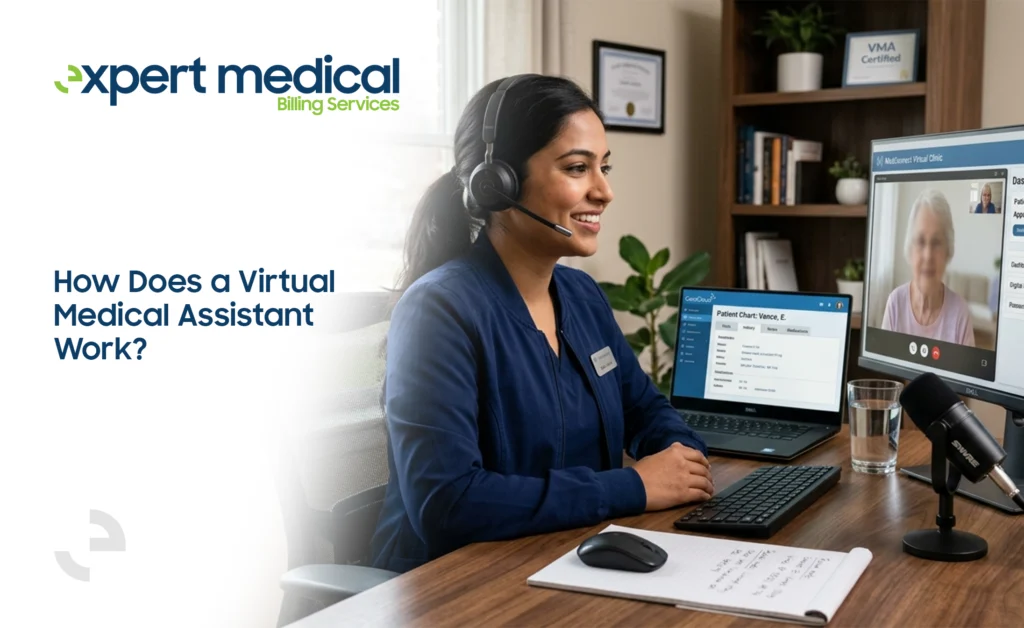
A Virtual Medical Assistant works remotely using technology to perform tasks traditionally done by in-office staff. They utilize various tools and platforms, including Electronic Health Records (EHR) Software Solutions, communication platforms, and project management software. Many providers partner with a medical virtual assistant company to ensure consistent service quality and scalability.
Here’s a typical workflow:
- Task Assignment: Healthcare providers or office managers assign tasks to the VMA, such as scheduling appointments, transcribing medical notes, or processing insurance claims.
- Remote Access: The VMA accesses necessary systems and data remotely, ensuring compliance with HIPAA guidelines and Data Management and Security Procedures.
- Task Execution: The VMA performs the assigned tasks, utilizing their skills and expertise in medical administration, Medical Coding, or other relevant areas.
- Communication: Regular communication is maintained through email, instant messaging, or video conferencing to ensure seamless collaboration and address any questions or concerns.
- Reporting: The VMA provides regular reports on task completion, productivity, and any issues encountered, allowing healthcare providers to monitor performance and make necessary adjustments.
Benefits of Hiring a Virtual Medical Assistant
Hiring a Virtual Medical Assistant offers numerous advantages for healthcare practices, contributing to increased efficiency, cost savings, and improved patient care. These benefits reinforce the growing demand for the best virtual staff for medical practices and the best remote virtual medical assistant solutions.
Increased productivity
By delegating administrative tasks to a VMA, healthcare providers and staff can focus on core clinical responsibilities, leading to increased productivity. This allows for more efficient patient care and a better overall workflow. For example, a VMA can manage appointment scheduling, handle phone calls, and process paperwork, freeing up nurses and doctors to spend more time with patients. This is particularly valuable for those seeking the best virtual assistant for family medical doctors.
Easy Transcriptions
Virtual Medical Assistants can efficiently handle Medical Scribing and transcription tasks. This includes transcribing patient notes, medical reports, and other important documents. Accurate and timely transcriptions ensure that medical records are up-to-date and readily available, improving communication and coordination among healthcare providers.
Increased Office Space
Hiring a remote medical assistant eliminates the need for additional office space, reducing overhead costs associated with rent, utilities, and equipment. This is particularly beneficial for practices with limited space or those looking to expand without incurring significant infrastructure expenses.
Improved Patient Satisfaction
VMAs can enhance patient satisfaction by providing timely and efficient support. This includes answering patient inquiries, scheduling appointments, and providing pre-appointment instructions. Improved communication and reduced wait times contribute to a more positive patient experience. For example, an AI-Powered After-Business-Hours Text Messaging or AI Receptionist can handle routine inquiries, allowing staff to focus on more complex patient needs.
When to Hire a Virtual Medical Assistant
Determining when to hire a Virtual Medical Assistant depends on several factors, including the practice’s workload, budget, and specific needs. Signs that it may be time to consider hiring a VMA include:
- Overwhelmed Staff: If your staff is consistently overwhelmed with administrative tasks, leading to burnout and reduced productivity.
- High Error Rates: If errors in billing, coding, or transcription are becoming more frequent, impacting revenue cycle and patient care.
- Limited Office Space: If you’re running out of office space and cannot accommodate additional staff.
- Need for Specialized Skills: If you require specialized skills, such as medical coding or prior authorization, but cannot afford a full-time employee.
- Desire to Improve Patient Satisfaction: If you want to enhance patient experience by providing more timely and efficient support.
Types of Virtual Medical Assistants (and How Each Supports Your Practice)
Virtual Medical Assistants come in various forms, each with specialized skills and expertise to support different aspects of your practice, including virtual assistant for specialty practices tailored to niche medical fields.
Human Virtual Medical Assistants
Human Virtual Medical Assistants provide personalized, hands-on support for administrative and clinical tasks. They offer a human touch that can be invaluable for patient communication and complex problem-solving.
Administrative Virtual Medical Assistants
Administrative Virtual Medical Assistants handle routine administrative tasks, such as scheduling appointments, managing phone calls, and processing paperwork. They free up in-office staff to focus on patient care and other critical responsibilities.
Virtual Medical Receptionist
A Virtual Medical Receptionist manages incoming calls, schedules appointments, and provides general information to patients. They ensure that patients receive prompt and courteous service, improving patient satisfaction and reducing wait times.
Virtual Medical Billing Specialist
Virtual Medical Billing Specialists handle all aspects of medical billing, from submitting claims to resolving denials. They ensure accurate and timely billing, maximizing revenue and minimizing errors. Practolytics and other Revenue Cycle (RCM) companies often provide these specialists. RCM Matter for many practices.
Virtual Medical Coder
Virtual Medical Coders assign accurate codes to medical procedures and diagnoses, ensuring compliance with coding regulations and maximizing reimbursement. Their expertise is essential for accurate billing and financial stability.
Virtual Administrative Assistant (Healthcare Focused)
A Virtual Administrative Assistant focused on healthcare provides comprehensive administrative support tailored to the needs of medical practices. They understand the unique challenges and requirements of the healthcare industry, ensuring efficient and compliant operations.
Virtual Insurance Prior-Authorization & Denial Management Specialist
These specialists handle the complex process of obtaining prior authorizations from insurance companies and managing claim denials. They ensure that patients receive the necessary treatments and that the practice receives appropriate reimbursement. A prior authorization virtual assistant is especially valuable for reducing delays and improving approval rates, while a best medical claims virtual assistant ensures accurate processing.
AI-Powered Medical Virtual Assistant / Chatbot
AI-Powered Medical Virtual Assistants and Chatbots use artificial intelligence to automate routine tasks, such as answering patient inquiries, scheduling appointments, and providing basic medical information. They offer 24/7 support, improving patient access and reducing the burden on staff.
AI-Powered Virtual Medical Assistant
An AI-Powered Virtual Medical Assistant leverages advanced algorithms and natural language processing to provide intelligent support for administrative and clinical tasks. They can analyze data, identify patterns, and provide insights to improve decision-making and patient care.
Clinical Virtual Medical Assistants
Clinical Virtual Medical Assistants assist with clinical tasks, such as Medical Scribing, Remote Patient Monitoring (RPM), and telephone triage. They work under the supervision of healthcare providers to provide remote support for patient care.
Virtual Medical Scribe
Virtual Medical Scribes document patient encounters in real-time, allowing healthcare providers to focus on patient care. They ensure accurate and comprehensive documentation, improving efficiency and reducing administrative burden.
Remote Patient Monitoring (RPM) & Care Coordinator
Remote Patient Monitoring (RPM) and Care Coordinators monitor patients’ health remotely, using technology to collect and transmit vital signs and other data. They identify potential health issues early and coordinate care to prevent complications. This is often part of an RPM Program.
Telephone Triage / Telehealth Virtual Nurse
Telephone Triage and Telehealth Virtual Nurses provide remote medical advice and support to patients via telephone or video conferencing. They assess patients’ symptoms, provide recommendations, and direct them to the appropriate level of care.
Specialty-Focused Virtual Medical Assistant
Specialty-Focused Virtual Medical Assistants have specialized knowledge and expertise in a particular medical specialty, such as Billing Cardiology or Dental Practice. They provide tailored support for the unique needs of practices in that specialty, making them a strong virtual assistant for specialty practices.
How to Choose a Virtual Medical Assistant
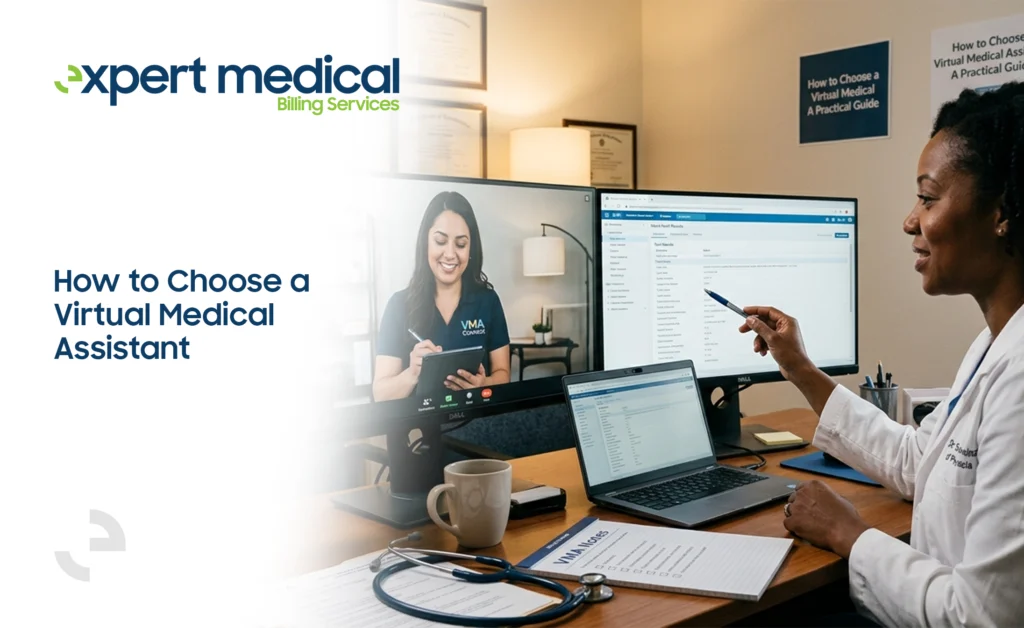
Choosing the right Virtual Medical Assistant requires careful consideration of your practice’s needs, budget, and priorities. Whether you’re hiring a virtual assistant for physician offices or searching for the best virtual assistant for medical practices, selecting the right fit is critical.
Assess Current and Future Workload Needs
Identify the specific tasks and responsibilities that you want the VMA to handle. Consider both current needs and future growth plans to ensure that the VMA can scale with your practice.
Understand Cost and Operational Impact
Evaluate the cost of hiring a VMA, including hourly rates, subscription fees, and any additional expenses. Compare this to the cost of hiring a full-time employee and consider the potential cost savings and operational benefits.
Evaluate Relevant Experience and Clinical Exposure
Look for VMAs with relevant experience in the healthcare industry and a strong understanding of medical terminology, procedures, and regulations. Clinical exposure can be particularly valuable for VMAs assisting with clinical tasks.
Prioritize Technical Skills and Software Proficiency
Ensure that the VMA has the necessary technical skills and proficiency in relevant software, such as EHR software, billing systems, and communication platforms.
Validate Certifications, Training, and HIPAA Expertise
Verify that the VMA has the necessary certifications and training, such as medical coding certification or HIPAA compliance training. HIPAA Compliance is essential for protecting patient privacy and security.
Investigate Data Management and Security Procedures
Ensure that the VMA has robust Data Management and Security Procedures in place to protect patient data and comply with HIPAA regulations. This includes encryption, access controls, and regular security audits.
Verify Culture Fit and Language Proficiency
Assess the VMA’s communication skills, professionalism, and cultural fit with your practice. Language proficiency is essential for effective patient communication and collaboration.
Plan for Onboarding, Quality Assurance, and Scalability
Develop a plan for onboarding the VMA, including training, access to systems, and communication protocols. Implement Quality Assurance measures to ensure that the VMA is meeting performance standards and providing accurate and timely support. Ensure that the VMA can scale with your practice as your needs evolve.
Assess the service provider’s credentials and capabilities carefully
Thoroughly evaluate the credentials and capabilities of the BPO company or service provider. Check their track record, client testimonials, and industry certifications to ensure they have the expertise and resources to meet your needs.
Evaluate the BPO company’s internal practices
Assess the BPO company’s internal practices, including their hiring process, training programs, and Data Management protocols. Ensure that they have a strong commitment to quality, compliance, and security.
Conduct a cost-benefit analysis
Conduct a thorough cost-benefit analysis to determine the financial impact of hiring a VMA. Consider the potential cost savings, increased revenue, and improved patient satisfaction.
What Guarantees Can I Expect When Working With a Virtual Medical Assistant?
When working with a Virtual Medical Assistant, you can expect certain guarantees to ensure quality, compliance, and security.
HIPAA Compliant Virtual Assistants
One of the most important guarantees is HIPAA Compliance. Ensure that the VMA is trained on HIPAA regulations and has robust Data Management and Security Procedures in place to protect patient data.
Quality Assurance
Quality Assurance measures should be in place to ensure that the VMA is meeting performance standards and providing accurate and timely support. This includes regular monitoring, feedback, and training.
Hire the Right Virtual Medical Assistant to Ease Your Operations and Refocus on Patient Care
Hiring the right Virtual Medical Assistant can significantly ease your operations, allowing you to refocus on patient care and improve overall efficiency. By carefully assessing your needs, evaluating potential candidates, and implementing robust Quality Assurance measures, you can ensure a successful partnership that benefits your practice and your patients. Many providers partner with a trusted medical virtual assistant company to access the best virtual assistant for medical clinic solutions.
FAQs
What Is a Virtual Medical Assistant?
A Virtual Medical Assistant (VMA) is a remote professional who provides administrative, clinical, or technical support to healthcare providers and practices. They handle tasks such as scheduling appointments, managing medical records, Medical Coding, and assisting with patient communication, all while working from a remote location.
How Do Virtual Medical Assistants Help a Clinic?
Virtual Medical Assistants help a clinic by handling routine administrative tasks, improving efficiency, and freeing up staff to focus on patient care. They can manage appointment scheduling, process insurance claims, transcribe medical notes, and provide remote patient support.
What Qualifications Do VMAs Need?
VMAs need a combination of administrative, technical, and clinical skills. Qualifications may include experience in medical administration, Medical Coding certification, proficiency in EHR software, and knowledge of HIPAA regulations.
Are Virtual Medical Assistants HIPAA Compliant?
Yes, Virtual Medical Assistants must be HIPAA compliant to protect patient privacy and security. They should be trained on HIPAA regulations and have robust Data Management and Security Procedures in place.
How Do AI Assistants Compare to Human VMAs?
AI assistants are capable of automating routine tasks and delivering round-the-clock support. In contrast, human VMAs provide more personalized, hands-on assistance, especially when dealing with complex responsibilities. Tasks that can be streamlined and automated are best handled by AI, whereas those requiring judgment, empathy, and nuanced understanding are better suited for human VMAs. Meanwhile, solutions like AI IVR and AI-powered virtual assistants are steadily becoming more widespread.
Why Choose EMBS?
EMBS offers specialized virtual assistant services tailored to the healthcare industry. With a focus on HIPAA compliance, Quality Assurance, and experienced professionals, EMBS provides reliable and efficient support to help healthcare practices thrive.