

URGENT CARE MEDICAL BILLING SERVICES
Urgent Care Medical Billing Services for U.S. Clinics
Urgent care centers handle a wide range of patient visits, from minor injuries and acute illnesses to diagnostic testing and after-hours care. Managing the related insurance claims, coding requirements, and payment follow-up can create significant administrative work. Expert Medical Billing Services provides billing and revenue cycle support designed around the needs of urgent care practices across the United States.

Walk-In Clinic Billing
Coding and claim support for same-day, unscheduled visits, from minor injuries to acute illnesses.
After-Hours Care Billing
Billing for evening, weekend, and holiday encounters, coded according to documentation and payer rules.
Occupational Medicine Billing
Claim handling for work-related visits, including employer and workers’ compensation billing where applicable.
Telemedicine Billing
Support for telehealth visits your clinic offers, following payer-specific place-of-service and modifier rules.
Schedule a FREE Consultation ...
Your information is 100% confidential and secure.
Why Choose Expert Medical Billing Services for Urgent Care?
Urgent care billing works best when coding, claims, and follow-up are handled as one connected process. Here is how our team supports your clinic.
Urgent Care Coding Knowledge
Our coders review urgent care encounters for E/M levels, procedures, diagnostic tests, and diagnosis codes so each claim reflects what the provider documented.
Organized Claims Submission
Claims are checked for demographic, eligibility, and coding errors before electronic submission, helping reduce avoidable rejections and rework for your staff.
Denial and A/R Follow-Up
We track open claims, work denials by root cause, and follow up with payers on aging balances so outstanding revenue does not go unattended.
Practice-Focused Billing Support
Billing workflows are aligned with your clinic’s hours, payer mix, and staffing, with clear communication and regular reporting for your team.
Our Urgent Care Medical Billing Solutions
Our urgent care medical billing services cover the full billing cycle, from patient eligibility checks and coding to claim submission, payment posting, and denial follow-up. Each service can support your in-house staff or operate as part of a broader outsourced urgent care billing arrangement through our medical billing services.
- End-to-end urgent care billing support
- Coding reviewed against provider documentation
- Eligibility and benefits checks at or before the visit
- Electronic claim submission and tracking
- Denial review, correction, and appeals
- Payment posting and A/R follow-up
Complete Urgent Care Billing
A complete urgent care billing service that manages the revenue cycle from patient registration data through final payment. We handle charge entry, coding review, claim submission, payment posting, and follow-up, giving your clinic one coordinated process instead of disconnected tasks spread across staff.
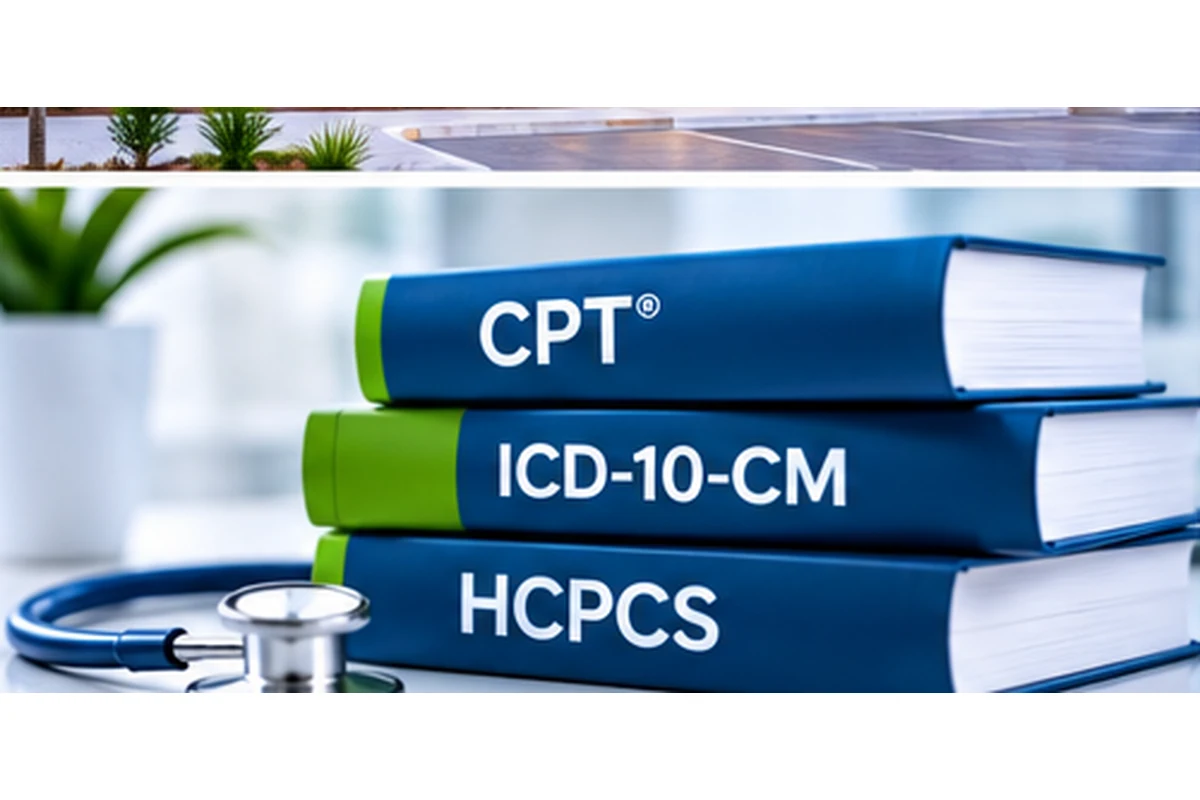
Accurate Medical Coding
Our urgent care coding services assign E/M, CPT, HCPCS, and ICD-10-CM codes based on provider documentation. Coders review procedures, injections, lab tests, and imaging, apply modifiers where appropriate, and flag documentation gaps before claims are sent. Learn more about our medical coding services.

Insurance Eligibility Verification
Urgent care insurance verification confirms active coverage, plan type, copays, deductibles, and authorization requirements at or before the visit when possible. Accurate information helps front-desk staff collect patient responsibility and reduces coverage-related denials. See our eligibility verification services.

Claim Submission and Follow-Up
We prepare clean claims, submit them electronically, and monitor acknowledgments and rejections. Our urgent care claims management process includes prompt correction of rejected claims and follow-up with payers on claims that remain unpaid beyond expected processing timeframes.

Denial Management and Appeals
Our team reviews each denial reason, corrects coding or data issues, and resubmits claims when appropriate. For denials that warrant reconsideration, we prepare appeals with supporting documentation and track trends through our denial management process so recurring issues are addressed.

Payment Posting and A/R Management
We post insurance and patient payments, reconcile remittances, and identify underpayments or posting discrepancies. Urgent care accounts receivable management includes aging reviews and payer follow-up so outstanding balances are worked in an organized way. Explore our A/R recovery services.
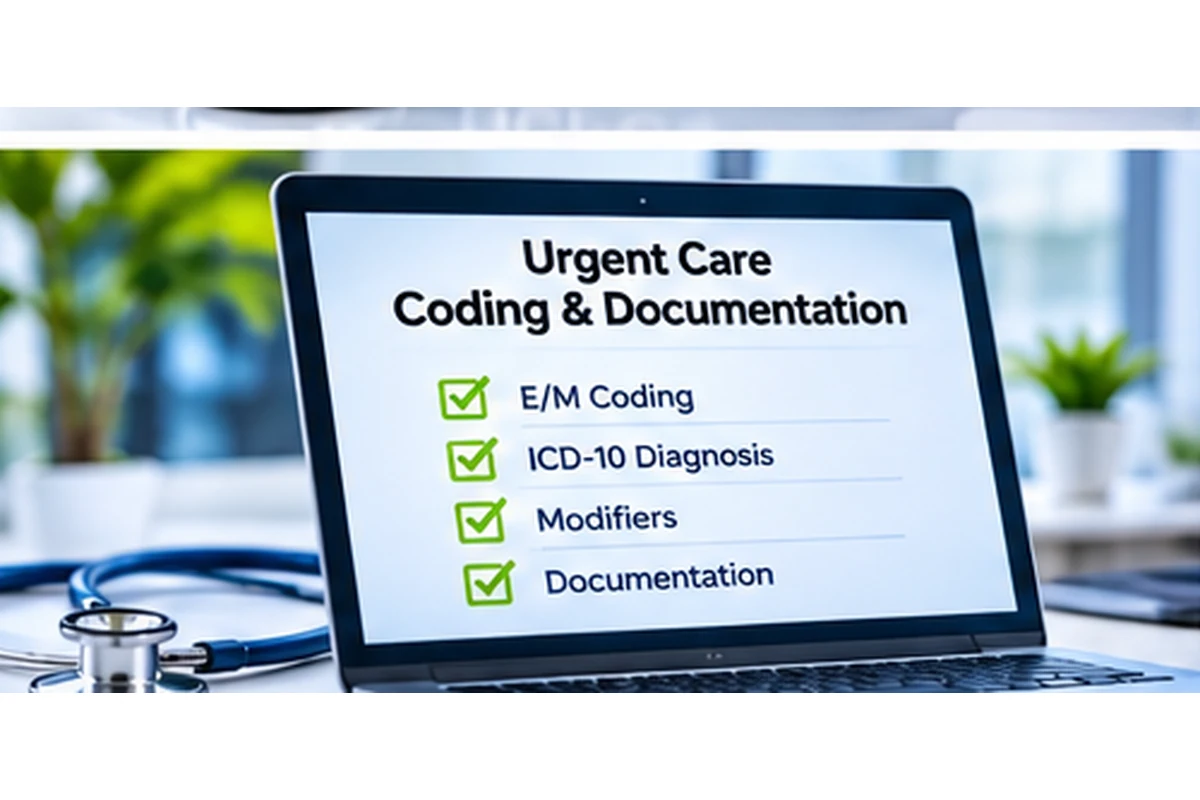
Urgent Care Medical Coding and Documentation Support
Urgent care encounters are short, but the coding behind them can be detailed. A single visit may include an evaluation and management service, a rapid lab test, an X-ray, and a minor procedure, each with its own requirements. Our urgent care medical billing and coding support focuses on these areas:
- E/M coding: visit levels selected from documented medical decision making or time, under current guidelines.
- ICD-10-CM diagnosis coding: diagnoses coded to the specificity the record supports.
- CPT and HCPCS codes: applied to services, supplies, and drugs where applicable.
- Modifier selection: modifiers such as 25 or 59 used only when documentation supports a separate or distinct service.
- Medical necessity: diagnoses linked to each service so the reason for the test or treatment is clear.
- Diagnostic testing and lab services: point-of-care tests coded with attention to CLIA and payer requirements.
- X-ray and imaging: technical and professional components billed based on who performed and interpreted the study.
- Procedures and minor treatments: laceration repair, splinting, incision and drainage, and injections coded from procedure notes.
- Payer-specific rules: place-of-service selection and billing policies that vary by payer and contract.
- Supporting documentation: every billed service backed by notes, orders, and results in the record.
Coding must reflect the services actually performed and documented. We do not code to a target level or assume coverage. Payer policies differ, and not every service is covered by every plan, so when documentation is unclear we query the provider rather than guess.
How Our Urgent Care Medical Billing Process Works
A structured workflow that keeps each claim moving from the front desk to final payment.
1
Initial Practice Assessment
We review your current billing workflow, payer mix, systems, and open A/R to understand where support is needed.
2
Patient Information and Eligibility Review
Demographics and insurance details are checked, and coverage is verified to reduce registration-related errors.
3
Charge and Coding Review
Encounters are coded from provider documentation, and charges are reviewed for accuracy and missing information.
4
Electronic Claim Submission
Claims are checked for common errors and submitted electronically, with rejections monitored and corrected.
5
Payment Posting and Reconciliation
Payments and adjustments are posted from ERAs and EOBs and reconciled against expected reimbursement.
6
Denial Management and A/R Follow-Up
Denials are reviewed and resolved, and unpaid claims are followed up with payers until they reach resolution.
Urgent Care Billing Management Solutions
Beyond individual claims, urgent care centers need billing operations that stay consistent through busy seasons, staffing changes, and payer updates. These services support the day-to-day management of your billing.

Practice Billing Workflow Support
We help map how information moves from check-in to claim, define responsibilities between your staff and our billing team, and set routines for charge capture, claim review, and follow-up that fit your clinic’s volume and hours.
Fast and Organized Claim Submission
Encounters are coded and submitted on a regular schedule so claims do not sit unbilled. Pre-submission checks catch missing information early, and claim status is monitored after submission to keep each claim moving toward resolution.
Insurance Eligibility and Benefits Review
Eligibility checks confirm coverage, plan details, and patient cost-sharing so your front desk can explain expected responsibility and collect copays at the time of service where appropriate, reducing surprises for patients and staff.
Coding and Documentation Support
Coding feedback identifies recurring documentation gaps, such as missing time statements or incomplete procedure notes, so providers can document in a way that clearly supports the services billed and the codes submitted to payers.
Reporting and Billing Communication
Regular reports summarize claim volume, payments, denials, and A/R aging. We review findings with your team and keep communication open about outstanding issues, payer changes, and next steps for your urgent care center.
Common Urgent Care Medical Billing Challenges and How to Address Them
Many urgent care billing problems start long before a claim is denied. Understanding the cause makes it easier to fix the process, not just the individual claim.
Insurance Eligibility and Coverage Issues
Common causes: Walk-in patients may arrive without updated insurance cards, plan changes often go unreported, and some plans limit coverage to specific networks.
How an organized workflow helps: Verifying coverage at registration, capturing current card information, and confirming network status help surface coverage problems before the patient is seen, when they are easier to resolve.
Coding and Documentation Errors
Common causes: High patient volume can lead to incomplete notes, E/M levels that do not match documentation, missing modifiers, or diagnosis codes that do not support the services billed.
How an organized workflow helps: Consistent coding review, provider feedback, and clear documentation guidance help claims reflect the care provided and reduce coding-related denials over time.
Claim Rejections and Denials
Common causes: Rejections often stem from demographic errors or invalid codes, while denials can result from eligibility problems, medical necessity edits, bundling rules, or missed filing deadlines.
How an organized workflow helps: Pre-submission claim checks, tracking denial reasons by category, and timely corrections or appeals help resolve individual claims and reveal patterns worth fixing upstream.
Outstanding Accounts Receivable
Common causes: Unworked claims, unposted payments, and limited staff time can allow balances to age past payer filing and appeal limits.
How an organized workflow helps: Regular A/R aging reviews, prioritized payer follow-up, and organized patient balance processes keep outstanding receivables visible and actively managed.
What Urgent Care Billing Support Can Help Your Practice Achieve
Outsourced urgent care billing support is designed to bring structure and visibility to the revenue cycle. Outcomes depend on each practice’s payer mix, documentation, and internal processes, but a consistent workflow gives your team a clearer view of where revenue stands. Learn more about our revenue cycle management services.
Improve Billing Visibility
Claim tracking, accurate payment posting, and regular reporting show where each claim stands, what has been paid, and which balances need attention, helping practice leaders make informed operational decisions.

Support Patient Billing Workflows
Clear patient responsibility information from eligibility checks, accurate statements, and organized follow-up on patient balances help reduce confusion and support a more transparent financial experience for patients.
Address Claim Denials
Denials are reviewed for root cause, corrected and resubmitted when appropriate, and appealed with supporting documentation when a claim warrants it. Trends are shared so recurring issues can be prevented.
Organize Revenue Cycle Operations
Defined steps for registration, coding, submission, posting, and follow-up give your team a repeatable process for managing claims and follow-up, even during seasonal surges in patient volume.
Contact Expert Medical Billing Services for Urgent Care Billing Support
Tell us about your urgent care center and its billing requirements. Our team can discuss how our medical billing and revenue cycle services may support your practice.
Request a Consultation
Share your clinic details and current billing challenges, and our team will follow up to discuss your needs.
Review Your Billing Workflow
Talk through your current process, payer mix, and A/R so we can identify where billing support may help.
Explore Service Options
Learn how our billing, coding, and revenue cycle services can be structured around your urgent care center.
Request a Billing Consultation
Complete the form and our team will contact you.
Expert Medical Billing Services for U.S. Healthcare Practices
Expert Medical Billing Services provides medical billing, medical coding, claim management, denial follow-up, and revenue cycle support for healthcare practices across the United States. Beyond urgent care, we work with practices in a range of specialties through our specialty-focused medical billing services, including anesthesia medical billing.
Our approach centers on accurate coding, organized claim workflows, and consistent communication with the practices we support. Whether you need full revenue cycle management or help with a specific area such as coding or denials, our team can discuss the services that fit your practice. Primary care groups can also read our family medicine billing guide.

Urgent Care Medical Billing FAQs
Answers to common questions about urgent care billing, coding, and claims management.
What are urgent care medical billing services?
Urgent care medical billing services cover the administrative work of getting paid for urgent care visits. This typically includes insurance eligibility verification, coding of evaluation and management services and procedures, claim preparation and electronic submission, payment posting, denial management, and accounts receivable follow-up. A billing partner can handle all of these tasks or support specific parts of your existing workflow.
Why is urgent care billing different from general medical billing?
Urgent care centers see unscheduled patients with a wide range of conditions, often with little time to verify insurance beforehand. A single visit can combine an E/M service with lab tests, imaging, and procedures. Payers may also apply urgent care-specific rules, such as particular place-of-service codes, contracted rates, or copay structures, which require attention beyond a typical office-based billing workflow.
What services are included in urgent care medical billing?
Urgent care billing support can include eligibility and benefits verification, charge entry, medical coding, claim review and submission, payment posting and reconciliation, denial management and appeals, A/R follow-up, patient balance support, and regular reporting. The exact scope is defined around what your practice needs and which tasks your staff already handle.
What coding requirements are important for urgent care clinics?
Key areas include E/M level selection based on medical decision making or time, ICD-10-CM diagnosis coding to the appropriate specificity, CPT and HCPCS codes for procedures, tests, and supplies, and correct use of modifiers such as 25 when a separately identifiable service is documented. All coding must be supported by the provider’s documentation, and payer policies should be checked for services with specific requirements.
How does insurance eligibility verification help urgent care centers?
Eligibility verification confirms that a patient’s coverage is active and identifies plan details such as copays, deductibles, and network status. Because many urgent care patients walk in without an appointment, checking coverage at registration helps staff collect the correct patient responsibility and reduces denials caused by inactive or incorrect insurance information.
How are urgent care claim denials handled?
Each denial is reviewed to determine its cause, such as missing information, eligibility issues, coding edits, or medical necessity. Correctable claims are fixed and resubmitted, and claims that warrant reconsideration are appealed with supporting documentation within payer deadlines. Denial trends are tracked so recurring issues can be addressed at registration or in coding.
Does urgent care billing include after-hours services?
Yes. Evening, weekend, and holiday visits are a normal part of urgent care operations, and billing support covers these encounters. Some payers recognize codes for services provided after regular hours, but coverage and payment for those codes vary by payer and contract, so they should be billed only when documentation and payer policy support them.
Can urgent care billing support include telemedicine visits?
Telehealth visits can be included where your clinic offers them. Telehealth billing requires attention to payer-specific rules, including place-of-service codes, required modifiers, and documentation of how the visit was conducted. Because telehealth coverage policies change and vary by payer, each claim should be billed according to the payer’s current guidelines.
How does outsourced billing support urgent care practices?
Outsourcing gives your clinic access to a billing team without hiring and training additional in-house staff. It can help keep claims submitted and followed up consistently during high patient volumes or staff turnover, while your team stays focused on patient care. Some practices outsource the entire billing process; others outsource specific tasks such as coding or A/R follow-up.
How can an urgent care clinic get started with Expert Medical Billing Services?
Complete the form on this page or reach out through our contact page. We will learn about your urgent care center, current billing process, and goals, then discuss how our services could support your practice and outline next steps for onboarding.
Related services: laboratory billing | radiology medical billing | specialty-focused medical billing services | denial management